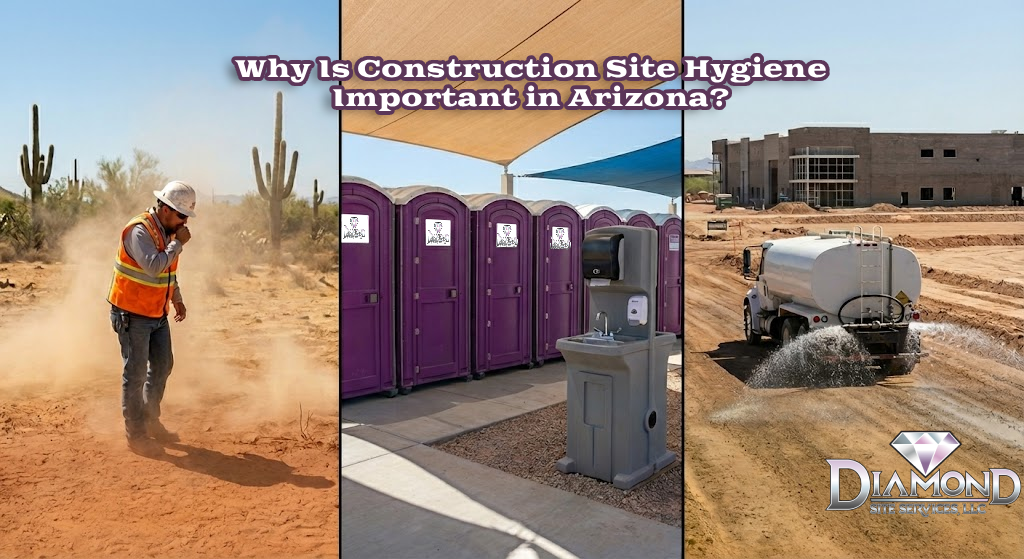
Construction site hygiene is often overshadowed by discussions about safety gear, heavy machinery, and project deadlines , yet it is one of the most powerful contributors to worker health, productivity, and overall project success. In Arizona, where heat, dust, and large-scale outdoor construction projects are the norm, hygiene becomes even more critical. Clean, well-maintained facilities protect workers from illness, support morale, and help crews perform efficiently despite challenging climate conditions.
This article explores why hygiene matters deeply on Arizona construction sites, the history behind job-site cleanliness, modern expectations, everyday challenges, and the future of sanitation in the state’s rapidly growing construction sector.
The Basics of Construction Site Hygiene
Construction site hygiene refers to a comprehensive set of practices designed to safeguard worker health and maintain a safe work environment. On Arizona job sites , from Phoenix high-rises to Tucson road projects and remote infrastructure builds , these elements are essential:
- Proper handwashing to prevent illness and contamination
- Correct use of Personal Protective Equipment (PPE)
- Regular cleaning of work and break areas
- Access to well-maintained portable toilets and wash stations
- Proper disposal of waste and hazardous materials
This holistic approach prevents the spread of infections, reduces work-related illnesses, and ensures smooth and safe workflow across the site.
Historical Evolution of Construction Site Hygiene
Personal hygiene at job sites didn’t become a standard overnight. The journey spans centuries:
Ancient Civilizations
Egyptians, Greeks, and Romans recognized the importance of sanitation early. Roman aqueducts and bathhouses, for example, were early public health systems that laid the groundwork for modern sanitation.
Medieval Europe
Hygiene declined dramatically, contributing to disease and poor living conditions , a stark reminder of what happens when cleanliness is ignored.
Industrial Revolution
Urban crowding, pollution, and poor factory conditions created unsanitary workplaces. Miasma theory dominated, and hygiene standards were primitive.
19th Century Public Health Reform
Visionaries like Sir Edwin Chadwick pushed sanitation laws that shaped modern hygiene practices and workplace safety regulations.
20th and 21st Centuries
Modern industrial hygiene emerged as a scientific discipline. Today, organizations like OSHA and the World Health Organization set strict standards for workplace sanitation , standards enforced on job sites across Arizona.
The Modern Consensus: Why Construction Site Hygiene Matters in Arizona
Across the construction industry, there is universal agreement on hygiene’s essential role. In Arizona’s climate and environment, its importance is magnified.
1. Prevention of Illness and Infection
High temperatures increase the risk of bacterial growth and dehydration-related illnesses. Handwashing and clean restroom facilities drastically reduce:
- Gastrointestinal infections
- Skin irritations
- Respiratory issues caused by dust buildup
2. Protection From Arizona’s Extreme Dust
Arizona’s desert environment produces fine dust that carries contaminants. Poor hygiene after handling dusty materials can lead to:
- Valley Fever (Coccidioidomycosis) , a fungal infection common in Arizona’s desert soils
- Respiratory irritation
- Eye and skin discomfort
Personal hygiene is a frontline defense against these environmental hazards.
3. Boosting Worker Morale and Productivity
When workers have access to clean, functioning facilities:
- Breaks are shorter and more efficient
- Off-site restroom trips are reduced
- Workers feel respected and valued
- Absenteeism decreases
Cleanliness directly influences job satisfaction and overall site performance.
4. Meeting OSHA and Arizona State Regulations
Arizona construction companies must comply with OSHA sanitation requirements, which demand:
- Sufficient toilet facilities based on crew size
- Handwashing stations
- Regular servicing and cleaning
- Proper waste and chemical management
Noncompliance risks penalties, delays, and damaged reputation.
Challenges in Maintaining Hygiene on Arizona Job Sites
Even with consensus, several obstacles make hygiene difficult on construction sites , especially in Arizona’s unique environment:
1. The Heat Factor
High temperatures accelerate:
- Odor problems
- Bacterial growth in portable toilets
- Dehydration, increasing restroom usage needs
Clean, air-ventilated units are crucial.
2. The “Porta-Potty Problem”
Arizona job sites often struggle with:
- Too few toilet units
- Infrequent servicing
- Lack of soap, toilet paper, or sanitizer
- Poor lighting or ventilation inside units
Workers avoid using unclean restrooms, leading to unsanitary improvisations and illness.
3. Dust and Air Quality
Arizona’s dust storms (haboobs) and dry climate increase:
- Airborne contaminants
- The need for frequent cleaning
- Handwashing needs after dust-heavy tasks
4. Remote and Desert Project Locations
Highway, utility, mining, and solar farm construction often occur in isolated deserts where:
- Restroom access is limited
- Water supply is scarce
- Waste removal logistics are challenging
5. High Worker Turnover
New workers may not be trained in hygiene practices, leading to inconsistent standards and shared facilities that get dirty faster.
Broader Hygiene Hazards Present in Arizona Construction
Personal hygiene extends beyond restroom cleanliness. Other hazards include:
- Dust exposure (Valley Fever risk)
- Mold and biological contaminants after monsoon rains
- Chemical exposure from adhesives, solvents, and coatings
- Improper disposal of hazardous waste
- Shared tools spreading germs
These risks make routine handwashing, PPE use, and proper cleaning practices indispensable.
The Future of Construction Site Hygiene in Arizona
Industry trends show that Arizona job sites are moving toward smarter, safer, and more sustainable sanitation practices.
1. Smart Sanitation Technology
- IoT-enabled portable toilets tracking usage and supply levels
- Mobile apps for hygiene monitoring
- Real-time alerts for cleaning needs
2. Eco-Friendly Restroom Solutions
With Arizona’s water conservation efforts in mind:
- Low-water or waterless flush systems
- Solar-powered lighting in restroom units
- Biodegradable deodorizer chemicals
- Efficient waste-treatment systems
3. Enhanced Welfare Units
More companies are providing:
- Climate-controlled mobile restroom trailers
- Shaded hydration stations
- Hygienic break areas
- Sinks with real running water (essential in Arizona heat)
4. Improved Dust Management
Construction sites increasingly use:
- Water trucks
- Dust barriers
- Non-toxic suppressants
- Enclosed cutting and grinding systems
Reducing dust exposure supports personal hygiene and prevents respiratory illness.
5. Advanced Worker Safety Technologies
- Wearable dust exposure monitors
- Heat stress sensors
- Air quality alerts
- PPE innovations to protect against chemicals and biological hazards
Continuous training reinforces hygiene habits and keeps crews healthy year-round.
Conclusion
Personal hygiene on Arizona construction sites is far more than a compliance requirement , it is a critical foundation for worker health, safety, and productivity. Clean facilities, consistent handwashing, proper waste management, and dust control not only protect crews from illness but also enhance morale and project efficiency.
In the challenging Arizona climate , with extreme heat, dust, remote job locations, and high-paced construction demands , maintaining hygiene is essential to building safely and sustainably. Investing in sanitation is an investment in your workforce, your project timeline, and the long-term success of every construction operation in the state.