
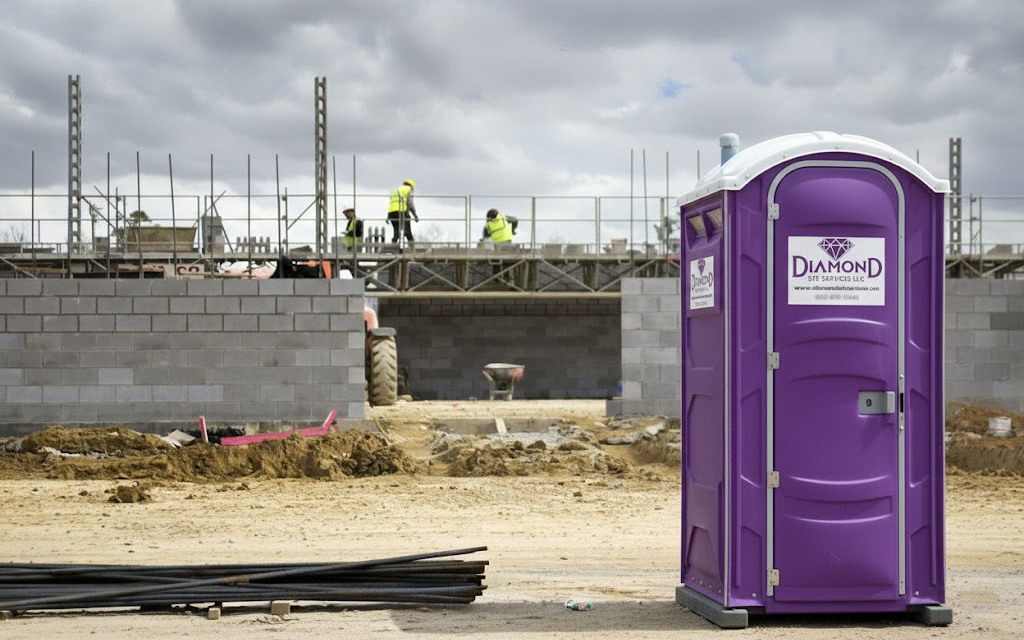
Construction sites are dynamic places , full of activity, deadlines, and hardworking crews. But amidst all the planning and execution, one fundamental need should never be overlooked: sanitation. Proper restroom facilities aren’t just about convenience , they’re a legal and safety requirement that protects workers and your project timeline.
Whether you’re leading a large build in Mesa or overseeing a smaller job in Maricopa County, understanding the importance of OSHA approved portable toilets is critical for maintaining a compliant, healthy, and productive worksite.
What OSHA Says About Portable Toilets
The Occupational Safety and Health Administration (OSHA) sets standards to ensure that workers have access to safe, sanitary, and accessible restroom facilities. According to OSHA’s sanitation rules for construction sites:
- Toilets must be provided in adequate numbers, based on the size of the workforce. A general guideline calls for at least one toilet for 20 or fewer workers. For larger crews, OSHA specifies one toilet seat and one urinal for every 40 workers, increasing to one per 50 workers on sites with more than 200 people.
- Restroom facilities must be readily accessible, meaning workers should be able to reach them quickly when needed.
- Portable restrooms are considered provided only if they are clean, sanitary, and maintained regularly , unsanitary units don’t count toward compliance.
- OSHA also requires that handwashing facilities be available at or near toilet areas to promote hygiene.
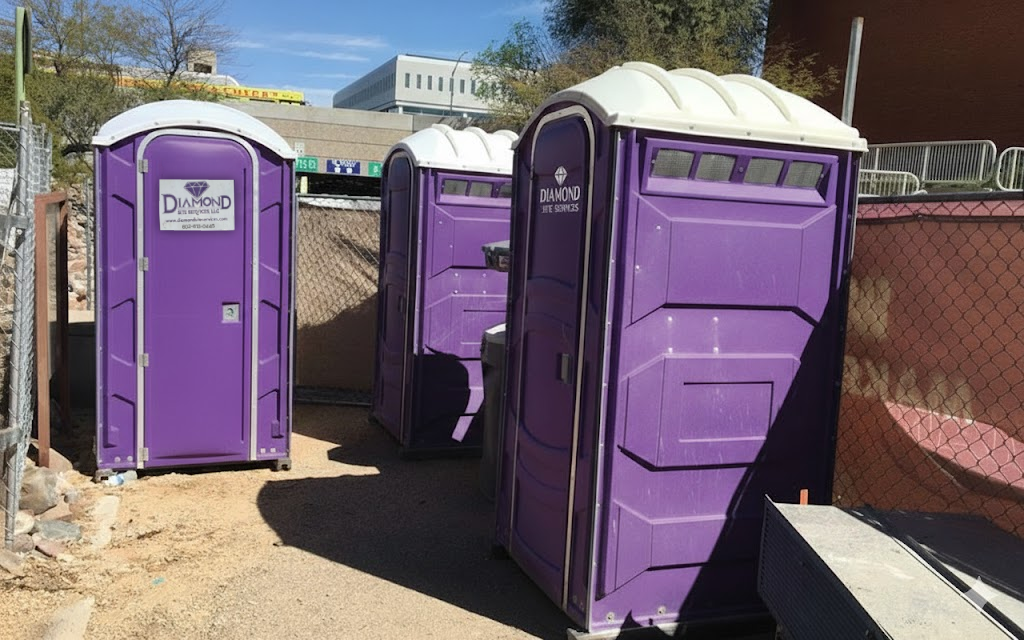
These standards are not just checkboxes, they’re in place because sanitation directly affects worker health and site efficiency.
Worker Health: More Than Just Comfort
Clean, accessible restrooms do more than save a walk across a dusty site. They:
- Reduce the spread of illness and infection, unsanitary conditions can quickly lead to digestive and skin-related illnesses.
- Encourage proper hygiene, especially when portable toilets are paired with handwashing stations.
- Protect vulnerable workers, older team members and those with health conditions benefit from facilities that meet basic standards.
Fulfilling these needs isn’t optional; it’s part of maintaining a healthy work environment that complies with federal safety expectations.
Productivity and Morale Go Hand in Hand with Sanitation
Time is money on a construction project. When workers don’t have to leave the site , or wait in long lines , to use the restroom, they spend more time focused on the job. Key benefits include:
- Less downtime associated with restroom breaks.
- Fewer sick days resulting from preventable health issues.
- A workforce that feels valued and respected, boosting morale and job satisfaction.
Satisfied workers tend to be more productive, reducing delays and helping projects stay on schedule.
Avoiding Legal and Financial Penalties
Failing to meet OSHA’s portable toilet requirements can have serious consequences:
- Fines and citations from workplace safety inspectors.
- Potential work stoppages if conditions are deemed unsafe.
- Liability risks if a worker becomes ill due to inadequate sanitation facilities.
Ensuring you have the right number and condition of portable toilets keeps regulatory issues off your plate, letting you focus on construction , not compliance headaches.
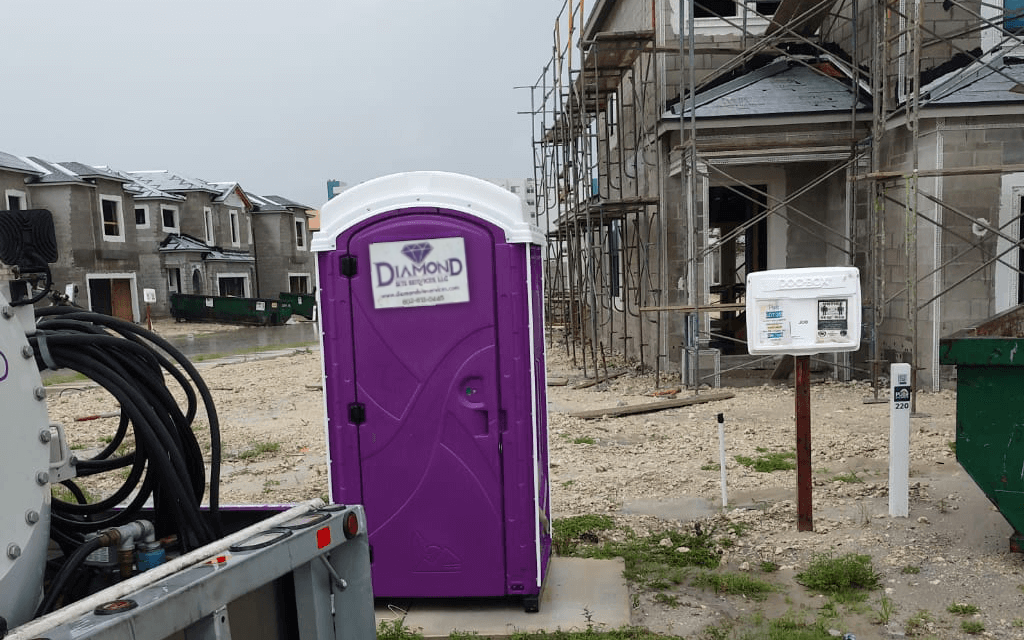
Best Practices for Portable Toilet Provision on Mesa Construction Sites
1. Evaluate Crew Size and Duration
Match the number of portable toilets to the number of workers on site and how long they’ll be there. OSHA’s guidelines help determine the baseline count.
2. Keep Units Clean and Serviced
Portable toilets should be emptied and sanitized on a regular schedule, a key factor in considering them “provided” under OSHA standards.
3. Include Hand Washing Stations
Restrooms alone aren’t enough, hand hygiene is a requirement and a critical part of preventing illness.
4. Place Facilities Conveniently
Ensure toilets are within a reasonable distance of work areas so workers are encouraged to use them promptly, a requirement under the OSHA definition of “available.”
Final Takeaway
OSHA approved portable toilets are not just a box to check on your construction site. They are a fundamental part of:
✔ Ensuring worker health and safety
✔ Maintaining productivity and morale
✔ Avoiding legal liabilities and penalties
✔ Demonstrating professional site management
By proactively providing properly maintained portable toilets and handwashing options, you’re safeguarding your crew and your project’s success, a smart and responsible choice for any Mesa construction leader.

It’s amazing how such a small detail, like portable toilets, can make such a big difference in keeping workers safe and healthy. Ensuring the right number of facilities is so important for project success.